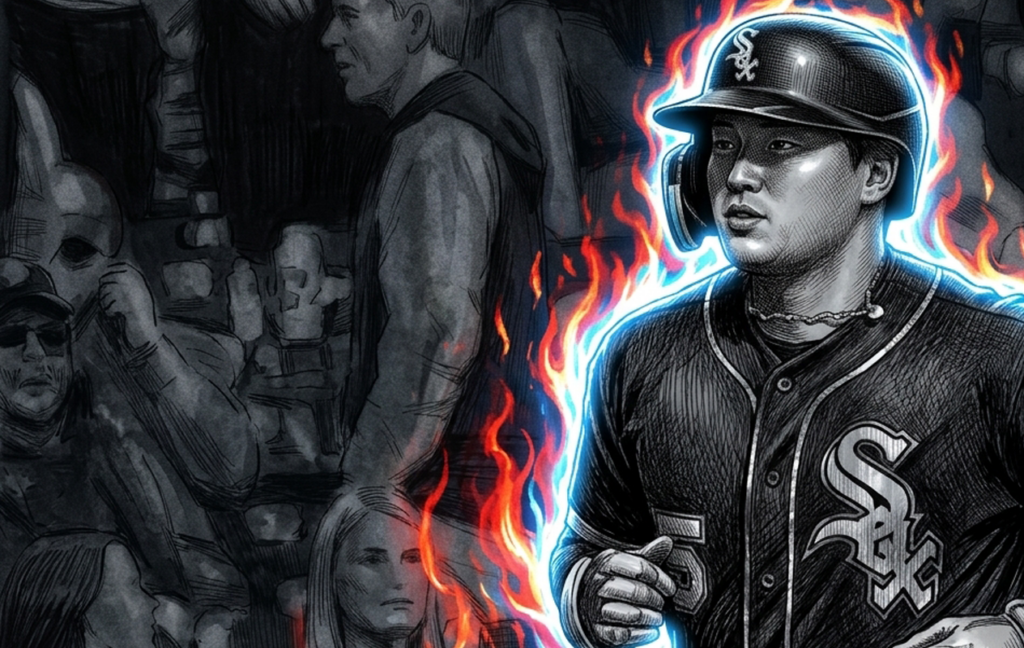
If you’ve been a White Sox fan for the last two years, you know pain. Real, soul-crushing, historically unprecedented pain. The 2024 season saw Chicago finish 41-121—the worst record in modern baseball history, surpassing even the 1962 expansion Mets. The 2025 campaign offered modest improvement at 60-102, but “better than historically awful” isn’t exactly a rallying cry.
Yet here we are in 2026, and oddsmakers are quietly suggesting something interesting: this rebuild might be ahead of schedule. With win totals hovering between 64.5 and 67.5 depending on the book, the White Sox present a rare opportunity for bettors willing to look past the recent wreckage and focus on the foundation being built.
The Wreckage in the Rearview Mirror
Let’s not sugarcoat it. The 2024 White Sox weren’t just bad—they were a generational catastrophe. A -306 run differential. Losses in bunches. The kind of season where you stop checking scores and start checking the draft order. When you combine 2024 and 2025, the Sox posted a .228 winning percentage over those two seasons, a level of futility never approached in MLB history.
But that disaster had a purpose. General Manager Chris Getz committed to a full teardown, trading away Luis Robert Jr., Garrett Crochet, and anyone else with trade value. The cupboard was stripped bare, the farm system restocked, and manager Will Venable was brought in to shepherd a team of kids through the chaos.
The sports betting landscape has evolved alongside these changes. Today’s bettors have more options than ever, from traditional sportsbooks to platforms where you can gamble with eth casino options that offer fast payouts and enhanced privacy. The crypto betting space has matured considerably, giving bettors flexibility in how they fund their wagers and withdraw winnings—something particularly useful when you’re making multiple player props and futures bets throughout a long baseball season.
The 2026 Foundation: Real Talent Emerging
Here’s where things get interesting. The 2025 season, despite another 100-loss finish, showed genuine flashes. Rookie shortstop Colson Montgomery hit .264 with 18 home runs and plus defense. Catcher Kyle Teel emerged as a switch-hitting backstop with legitimate all-around skills. Second baseman Chase Meidroth provided on-base skills and gap power. These weren’t veterans padding stats on a bad team—these were 22- and 23-year-olds learning how to compete at the highest level.
The 2026 roster adds legitimate reinforcements. The Sox signed Japanese star Munetaka Murakami to anchor first base, bringing power and international pedigree. Austin Hays was brought in to stabilize the outfield. The bullpen was upgraded with closer Seranthony Domínguez, who could be a deadline flip candidate if the Sox fall out of contention.
More importantly, the pipeline remains loaded. Pitching prospects Drew Thorpe and Ky Bush are rehabbing from Tommy John surgery and could arrive mid-season. Top outfield prospect Braden Montgomery might see September action. And with the #1 overall pick in the 2026 draft, the Sox are positioned to add UCLA shortstop Roch Cholowsky, a five-tool talent who could fast-track to the majors.
Where the Betting Value Lives
Win Total Over (64.5-67.5): This is the headline bet. FanGraphs projects 68.6 wins. PECOTA has them at 69. Both projection systems see a team that’s no longer historically bad—just regular bad with upside. Young teams improve faster than people expect, especially when they’re coming off a laughably low baseline. The 2025 Sox won 60 games; adding Murakami, Hays, and a healthier roster pushes them into the high 60s.
Books vary on the number, so shop around. FanDuel has 64.5 (-118), DraftKings and BetMGM sit at 65.5, while Caesars is at 66.5 and Hard Rock stretches to 67.5. Even if you’re skeptical, the over has value at the lower numbers.
Munetaka Murakami Rookie of the Year: Despite seven seasons in NPB, Murakami IS eligible for AL Rookie of the Year—the award only considers MLB service time, not international leagues. If he puts up 25-30 home runs and the White Sox show significant improvement, he’s a legitimate contender. His over/under on home runs (likely around 25-28) offers value as well. He’s a proven power hitter transitioning to MLB, and Guaranteed Rate Field plays neutral to power.
Kyle Teel Breakout Season: One staff prediction has Teel finishing top-5 in AL MVP voting—a wild take, but it speaks to his potential. More realistic props would be on his home runs (over 15-18) and batting average (over .260). Switch-hitting catchers who can hit are rare, and Teel’s 2025 rookie season showed he can hang.
Colson Montgomery All-Star: Montgomery is entering his second year with more confidence and a defined role. If he takes a step forward to .280/20 HR territory, he could sneak into the All-Star conversation, especially if the White Sox are surprisingly competitive at the break. Platforms like AviatorGames have started offering these kinds of season-long player achievement markets, giving bettors more ways to target individual breakout performances.
Draft Position Props: This is the dark-horse value bet. If the Sox win 68-70 games, they’re no longer a lock for a top-3 pick in 2027. Betting on them to finish outside the bottom five could offer value if the young core clicks early. Books occasionally offer draft-position futures, and this might be the year to fade the White Sox securing another top pick.
The Reality Check
Let’s pump the brakes before we get too excited. The White Sox still project as the second-worst team in baseball, ahead of only the Rockies. Within the AL Central, they’re projected 15+ games behind the fourth-place Twins. The pitching staff is a mess—young, unproven, and likely to get hammered by the league’s elite offenses.
This isn’t a playoff team. It’s not even a .500 team. But it’s also not a 121-loss catastrophe. It’s a team with a clear plan, emerging talent, and a trajectory that points up instead of sideways.
The Betting Thesis
If you’re putting money on the White Sox in 2026, you’re betting on improvement, not excellence. You’re betting that Montgomery and Teel take Year 2 leaps. You’re betting that Murakami translates his NPB dominance to the South Side. You’re betting that Venable, in his second year, has this young roster playing cohesive, competitive baseball—even if they still lose 90+ games.
Most importantly, you’re betting that oddsmakers are still anchored to the trauma of 2024-25, while the underlying talent has quietly improved. That’s where value lives in sports betting: the gap between perception and reality.
The White Sox rebuild is real. It’s painful, it’s slow, and it’s going to take years to reach contention. But 2026 might be the year the wins start piling up just fast enough to make the over a smart play.